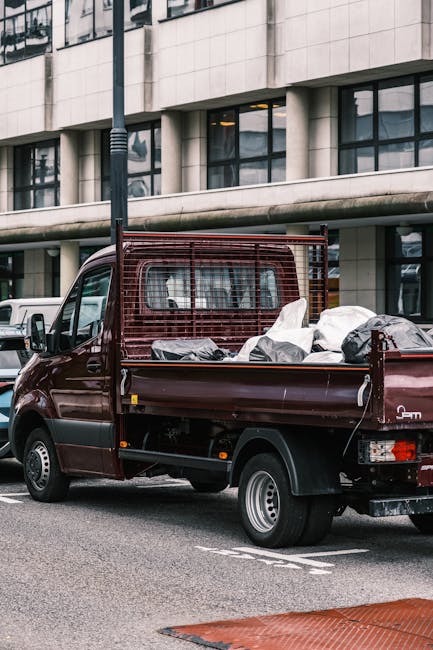
Albert Embankment bulky rubbish pickup in Vauxhall: a practical local guide
If you are dealing with a sofa on its last legs, a broken wardrobe, or a pile of renovation waste that has been sitting by the door for too long, Albert Embankment bulky rubbish pickup in Vauxhall is probably exactly what you need. The tricky part is not just getting rid of the stuff. It is choosing the right method, avoiding delays, and making sure the waste is handled properly. On a busy stretch like Albert Embankment, where access, parking, and timing can all become a bit of a headache, a clear plan saves a lot of stress.
This guide walks you through how bulky rubbish pickup works in the area, when it makes sense, what to watch out for, and how to decide between rubbish removal, skip hire, grab hire, and other options. It is written for real-life situations, not just tidy theory. You know the sort of thing: a flat clearance on a rainy Tuesday, a builders' pile after a weekend job, or that awkward mattress you have been meaning to deal with for weeks.
Table of Contents
- Why Albert Embankment bulky rubbish pickup in Vauxhall Matters
- How Albert Embankment bulky rubbish pickup in Vauxhall Works
- Key Benefits and Practical Advantages
- Who This Is For and When It Makes Sense
- Step-by-Step Guidance
- Expert Tips for Better Results
- Common Mistakes to Avoid
- Tools, Resources and Recommendations
- Law, Compliance, Standards, or Best Practice
- Options, Methods, or Comparison Table
- Case Study or Real-World Example
- Practical Checklist
- Conclusion
- Frequently Asked Questions
Why Albert Embankment bulky rubbish pickup in Vauxhall Matters
Bulky waste is one of those jobs that looks simple from the outside and then, once you start shifting it, becomes a bit of a puzzle. In Albert Embankment and the wider Vauxhall area, that puzzle can be even trickier because of traffic flow, shared entrances, limited loading space, and the general reality of London streets. A bulky rubbish pickup is not just a convenience; it can be the difference between a clear, usable space and a corridor full of obstacles.
For households, bulky rubbish pickup helps you reclaim living space quickly. For landlords and letting agents, it helps prepare a property between tenancies without unnecessary delay. For local businesses, especially small offices and studios, it keeps premises safe and presentable without turning a working day into a moving day. And for builders or renovators, it keeps the site from becoming cluttered with awkward items that slow everything down.
There is also the practical side of safety. Large items can block fire exits, create trip hazards, attract pests, or simply make a property harder to clean and use. Truth be told, once bulky rubbish starts stacking up, it tends to breed more clutter. One old sofa becomes two bags, then a broken lamp, then the mystery pile in the corner. You know how it goes.
Local pickups matter because the service has to fit the setting. A terraced entrance, basement flat, or shared block near the river often needs a different approach from a suburban driveway. That is where local experience makes a real difference. The aim is not only removal, but smooth removal.
How Albert Embankment bulky rubbish pickup in Vauxhall Works
Most bulky rubbish pickup jobs follow a fairly simple pattern, though the exact approach depends on what you need removed and how accessible the property is. In broad terms, you identify the waste, choose a collection method, arrange a time, and make sure the items are ready for loading. Easy enough on paper. In real life, it benefits from a bit of planning.
Typical bulky items include sofas, beds, mattresses, wardrobes, tables, office chairs, broken appliances, and mixed household clutter. If you are dealing with a renovation job, it may also include timber offcuts, packaging, old fixtures, plasterboard, or bagged construction waste. Some of these can be handled together; others need separate treatment, especially if hazardous items are involved.
In Vauxhall, access is often the main consideration. If a vehicle can stop close to the property, loading is usually faster. If it cannot, crews may need to carry items from inside the building or from a rear access point. That sounds minor until you are dragging a heavy mattress down three flights of stairs at 8am. Not fun. This is exactly why a quick assessment before collection saves time and reduces hassle.
There are usually a few service routes available:
- Rubbish removal for fast collection of mixed bulky items.
- Skip hire for ongoing disposal where waste builds up over time.
- Wait and load for locations with difficult parking or quick turnaround needs.
- Grab hire for larger volumes, especially if waste is loose and accessible.
If you are still deciding between them, you may find it useful to compare with rubbish removal, skip hire, or wait and load skip hire. Each has its place. The best option is rarely the fanciest one; it is the one that fits your waste, access, and timing.
Key Benefits and Practical Advantages
A proper bulky rubbish pickup offers more than a cleared room. It helps you keep momentum. That matters more than people think. Once the clutter is out, cleaning becomes easier, staging a property feels less overwhelming, and decisions are simpler. You can finally see the floor. Sounds obvious, but it changes the mood of a place.
- Fast space recovery: Great when you need a room, hallway, or office cleared quickly.
- Less lifting for you: Heavy items are handled by people used to moving awkward loads safely.
- Better access management: Ideal where parking or stopping on Albert Embankment is limited.
- Cleaner presentation: Useful for landlords, sellers, and businesses preparing for visitors or work.
- Flexible volume handling: Suitable for a single item or a larger mixed load.
- Waste route control: Reusable and recyclable materials can often be separated more effectively.
There is also a quiet benefit: peace of mind. You are not wondering whether the old wardrobe is going to block the corridor for another week, or whether your builder will keep using your hallway as a storage bay. It is off your plate. Job done.
For some readers, the biggest advantage is speed. For others, it is simplicity. And for a few, it is just the joy of finally dealing with the thing that has been staring at them from the spare room for months. Fair enough.
Who This Is For and When It Makes Sense
Albert Embankment bulky rubbish pickup in Vauxhall makes sense for a wide range of people, but it is especially useful when the waste is awkward, time-sensitive, or simply too much to handle alone. Let us break that down a bit.
Homeowners and tenants
If you are clearing out after a move, replacing furniture, or tackling a much-needed declutter, bulky pickup is a practical way to avoid several trips to the tip. It is particularly helpful when you do not have a van or the item is too heavy to move safely.
Landlords and letting agents
End-of-tenancy clearances often involve mixed waste: a bed frame here, a broken TV there, maybe some leftover bags of clothes and kitchen items. A collection service keeps turnover moving and avoids those awkward delays between void periods.
Local businesses
Offices, studios, shops, and hospitality venues sometimes need old furniture, packaging, shelving, or equipment removed with minimal disruption. If you are trying to keep a business open while clearing waste, speed and predictability matter more than ever.
Contractors and trades
Builders and refurbishment teams often need a reliable route for waste that comes off a small job or a tight site. A bulky pickup can be a better fit than leaving loose waste to pile up. Sometimes the difference between a tidy site and a frustrating one is just timing.
You might also consider pairing a pickup with house clearance, office clearance, or builders waste removal if your project is broader than a single collection.
Step-by-Step Guidance
If you want the process to feel easy rather than frantic, a little structure goes a long way. Here is a straightforward way to handle it.
- Identify everything that needs to go. Separate bulky items, bagged waste, electricals, and anything fragile or hazardous.
- Check access points. Note stairs, lifts, tight corridors, loading restrictions, and any parking issues.
- Decide on the service type. Rubbish removal, skip hire, man and van, or grab hire all suit different scenarios.
- Remove anything worth keeping. It sounds basic, but items often get mixed up when people rush.
- Take photos if needed. A clear picture helps whoever is collecting understand what they are dealing with.
- Prepare the waste area. Move items to a safe, accessible point if you can do so without extra strain.
- Confirm any restrictions. Check whether anything is not allowed, such as certain hazardous materials or electrical items with special handling needs.
- Book the collection at the right time. Morning slots can help on busy streets, especially if parking is tight.
If the job involves a small-to-medium load and you want a flexible team, a man and van service can be a useful middle ground. If you need a more structured setup, booking online can save a surprising amount of back-and-forth. Little things, but they matter.
One practical tip: keep pathways clear before the crew arrives. A two-minute tidy of the route from front door to collection point often saves ten minutes of awkward lifting and repositioning. It is one of those unglamorous jobs that pays off immediately.
Expert Tips for Better Results
The better the prep, the smoother the pickup. That is the short version. Here are the details that tend to make a real difference.
- Sort by material where you can. Wood, metal, cardboard, textiles, and mixed waste may be handled differently. If you separate them early, recycling is easier.
- Keep heavy items low and stable. Do not stack unstable furniture like a game of Jenga. It rarely ends well.
- Use short labels for mixed piles. A note like "keep," "remove," and "recycle" can prevent mistakes in a fast-moving clearance.
- Measure awkward items. Large wardrobes, American-style fridge freezers, or oversized sofas can be trickier than they look in the hallway.
- Flag access issues in advance. Narrow gates, low ceilings, or basement stairs should be mentioned early, not halfway through the job.
- Think about timing around neighbours. In shared buildings, an early, noisy clearance can create friction. A calmer slot is often worth it.
When in doubt, go for clearer communication rather than less. A quick call or a few photos can prevent the kind of confusion that leads to rework. And honestly, nobody enjoys discovering that the old chest of drawers is too deep for the lift after the team has already arrived.
If the waste includes items in poor condition but still reusable, consider whether any could be redirected before disposal. A bit of up-front judgement can reduce waste and sometimes lower the total amount to remove. Not always possible, but worth asking.
Common Mistakes to Avoid
Most problems with bulky rubbish pickup are avoidable. The usual culprits are not dramatic, just annoying. A few small oversights and suddenly the day runs long. Here are the ones we see most often.
- Underestimating volume: What looks like "a few bits" often turns into a full load once it is all gathered together.
- Ignoring access limitations: Parking restrictions or tight entryways can slow everything down if nobody mentions them early.
- Mixing prohibited items: Hazardous materials, certain electricals, and specialist waste need separate handling.
- Leaving the waste spread around: Scattered items take longer to load and increase the risk of damage.
- Not checking weight and lifting risks: Heavy items should never be dragged or lifted unsafely, especially down stairs.
- Choosing the wrong service type: A skip is not always the best answer, and neither is a quick pickup for every job.
There is also a softer mistake: waiting too long. Clutter tends to expand to fill the space it is given. One week becomes three. Then the job feels bigger than it really is. Better to deal with it while it is still manageable.
Tools, Resources and Recommendations
You do not need a warehouse of equipment to prepare for bulky rubbish pickup, but a few simple tools can make the process smoother and safer.
- Heavy-duty gloves: Useful for sharp edges, dirty surfaces, and rough timber.
- Strong bin bags: Handy for loose items, soft rubbish, and small mixed waste.
- Tape and labels: Good for marking items to keep, remove, or recycle.
- Dolly or sack truck: Helpful if you are moving a few lighter bulky items short distances.
- Measuring tape: Worth having if furniture needs to pass through tight spaces.
- Flashlight: A small thing, but very useful in lofts, basements, or under-stair storage.
For planning, a few website pages can help you understand service differences before booking. If you need a broad disposal route, see skip sizes and prices and what can go in a skip. If your waste is more specialised, the pages on fridge and appliance removal, mattress and sofa disposal, and waste recycling services are useful starting points.
There is also value in understanding the company itself, especially if you like to know who you are dealing with. The about us page can help with that. Not glamorous, but it builds confidence. Which, to be fair, is half the battle.
Law, Compliance, Standards, or Best Practice
Waste removal in the UK carries a basic responsibility: waste should be handled by appropriate means and taken to a legitimate disposal route. You do not need to be a legal expert to make sensible choices, but you do need to avoid casual assumptions like "it will be fine if it disappears." That is not really how it works.
For bulky rubbish pickup in Vauxhall, good practice usually means checking three things. First, whether the items can be collected as part of a standard load. Second, whether anything requires specialist handling. Third, whether the disposal route is suitable for the waste type. If you are disposing of electrical appliances, confidential materials, or potentially hazardous waste, the handling requirements are more specific.
There are also practical rules around access and parking. On streets like Albert Embankment, a collection may need careful timing so the vehicle can stop safely and efficiently. If a skip or container is used, you may need to think about permits or permissions depending on the exact location and placement. The details can vary, so it is sensible to confirm them before anything is placed on the road or pavement.
From a best-practice point of view, the key themes are simple:
- Do not mix unknown or risky waste with general household rubbish.
- Keep escape routes, fire exits, and shared hallways clear.
- Tell the collection team about anything heavy, fragile, or awkward.
- Use a service that can clearly explain where your waste goes.
- Ask questions if the route or item type feels uncertain.
If you want to understand the company's broader commitments, the pages on health and safety policy, insurance and safety, and recycling and sustainability are worth a look. They are the sort of pages people sometimes skip, then regret skipping later. Better to check early.
Options, Methods, or Comparison Table
Choosing the right method is usually the real decision. Here is a simple comparison to help you think it through without getting lost in jargon.
| Method | Best for | Strengths | Watch-outs |
|---|---|---|---|
| Rubbish removal | Mixed bulky items, quick clearances | Fast, hands-off, flexible | May cost more than doing it yourself for very small loads |
| Skip hire | Ongoing waste, renovations, larger projects | Good for gradual filling, predictable space | Needs space and may require permit considerations |
| Wait and load | Tight access areas, no long parking option | Handy where roadside placement is difficult | Best when waste is ready and loading is quick |
| Grab hire | Loose waste, larger volumes, site clearance | Efficient for substantial piles | Needs suitable access for the vehicle and loading point |
| Man and van | Smaller, flexible clearances | Useful for ad hoc loads and awkward items | Less ideal for very large volumes |
In a place like Albert Embankment, the "best" option often comes down to access. If you can park safely and the waste is ready, a fast pickup may be ideal. If the job will stretch over a few days, skip hire may be smarter. If the access is fiddly, wait and load can be surprisingly efficient. There is no one-size-fits-all answer, which is a bit annoying, but also useful once you accept it.
Case Study or Real-World Example
Imagine a first-floor flat near Albert Embankment where the tenant has just moved out. The property manager needs a bulky rubbish pickup in Vauxhall before cleaners can come in. The waste includes a double mattress, a worn sofa, a broken coffee table, two office chairs, several bags of mixed clutter, and a small appliance that no longer works.
The access is tight. There is no driveway, and parking on the street is limited in the morning. A skip would take more planning than the job really needs, and moving everything by hand to a skip would be awkward. In this case, a quick removal service with clear arrival timing makes more sense. The team can carry the items out, sort what can be separated, and load the waste in one visit.
What made the job go smoothly? A few very ordinary but important things:
- the manager sent photos in advance;
- the route through the flat was kept clear;
- the items were grouped by room;
- the collection time was set to avoid peak traffic;
- no one tried to guess what should be removed on the day.
That last one sounds silly, but it matters. Unclear instructions cause most of the friction in small clearance jobs. With a bit of preparation, the pickup was completed without fuss, the property was ready for cleaning, and the turnover stayed on schedule. Nice and tidy. Exactly what you want, really.
Practical Checklist
Use this checklist before your Albert Embankment bulky rubbish pickup in Vauxhall. It is simple, but it catches the usual mistakes.
- Identify every item you want removed.
- Separate keep, donate, recycle, and dispose piles.
- Check for hazardous, electrical, or specialist waste.
- Measure large furniture and awkward items.
- Confirm stairs, lifts, gates, and loading access.
- Make sure the route to the collection point is clear.
- Take photos if the job is complex or mixed.
- Choose the right disposal method for the volume.
- Book a time that suits the property and traffic conditions.
- Ask about recycling and what happens to the waste after collection.
Practical takeaway: If the waste is easy to identify, the access is clear, and the service matches the volume, bulky rubbish pickup becomes a straightforward job rather than a disruptive one. That is the real goal.
For readers comparing service types, it can also help to explore domestic skip hire, construction waste disposal, or garage and loft clearance depending on the type of clearance you are facing.
Conclusion
Albert Embankment bulky rubbish pickup in Vauxhall is really about making a complicated-looking task feel manageable. Once you understand the type of waste, the access limits, and the best disposal method, the rest becomes much easier. Whether you are clearing a flat, updating an office, finishing a renovation, or simply reclaiming some breathing room at home, the right approach saves time and reduces stress.
Keep the plan simple. Be clear about what is going, think through access early, and choose the service that matches the job rather than forcing the job to fit the service. That little bit of care makes a bigger difference than people expect. And honestly, it is nice when waste removal feels uneventful for all the right reasons.
Get a free quote today and see how much you can save.
If you want to speak with the team directly, the contact us page is there when you need it. Sometimes a short conversation clears up more than ten minutes of guesswork.
Frequently Asked Questions
What counts as bulky rubbish in Albert Embankment and Vauxhall?
Bulky rubbish usually means large or awkward household or commercial items that are difficult to move in normal bags. Sofas, beds, wardrobes, mattresses, tables, chairs, and some appliances are common examples. The exact treatment depends on the item, its condition, and whether it needs special handling.
Is bulky rubbish pickup better than hiring a skip?
It depends on the job. Pickup is often better for quick clearances, mixed items, and locations with awkward access. Skip hire usually suits ongoing projects where waste builds up over time. If you only have a small load and no easy place for a skip, pickup can be the more sensible choice.
How do I prepare items before collection?
Group the items together, clear a route to them, and separate anything you want to keep. If possible, remove loose contents from drawers or cupboards. Take photos if the load is mixed or difficult to describe. That small bit of prep saves time on the day, usually a lot more than people expect.
Can bulky rubbish pickup handle furniture and appliances together?
Often yes, but it depends on the service and the type of appliance. Furniture and standard household items are usually straightforward. Appliances may need special handling, especially if they contain gases, coolants, or electrical components. It is best to mention them in advance rather than leave it to chance.
Do I need to be present for the collection?
Sometimes yes, especially if access is difficult or the crew needs directions. In simpler cases, arrangements may be possible without you being there, provided everything is clearly agreed in advance. If you are unsure, ask beforehand so nobody is waiting outside wondering which pile is which.
How much notice should I give for a bulky rubbish pickup?
As much as you can, though some services offer faster turnaround for urgent jobs. If your collection depends on parking, building access, or moving through shared spaces, earlier notice is especially helpful. A bit of lead time keeps the whole thing calmer.
What if my waste includes broken or hazardous items?
Do not mix hazardous waste into a general bulky rubbish load unless the service says it is appropriate. Items like chemicals, certain batteries, and some specialist materials need separate handling. When in doubt, describe the item clearly and ask how it should be managed.
Is bulky rubbish pickup suitable for landlords and estate managers?
Yes, very much so. It is a practical option for end-of-tenancy clearances, quick turnarounds, and removing abandoned furniture or mixed clutter. For larger jobs, it may be combined with a wider clearance service so the property is ready sooner.
Can bulky rubbish pickup support recycling and reuse?
Often it can. Reputable waste services may separate materials such as metal, wood, cardboard, or reusable items where practical. Not everything can be recycled, but thoughtful sorting improves the chances. If recycling matters to you, ask how the waste will be handled.
What should I choose for a small one-off clearance?
For a small one-off load, a flexible removal service or man-and-van style collection is often the easiest route. It avoids the effort of organising a skip for a short job. That said, if the waste will grow over a few days, a different method may be more efficient.
How do I know which service is right for my property?
Start with three questions: how much waste do you have, how easy is access, and how quickly do you need it gone? If access is tight and the load is ready, pickup works well. If the job is larger or ongoing, skip hire or grab hire may be better. It is less about the headline price and more about fit.
Can I combine bulky rubbish pickup with a full property clearance?
Yes, and that is often the smartest move when you are dealing with a flat, office, garage, loft, or mixed storage area. Combining services can save time because everything is handled in one planned visit instead of being split into multiple jobs.
Sometimes the best way to deal with clutter is simply to begin. One sensible step, then another. That is usually enough to turn a stressful pile into a finished job.